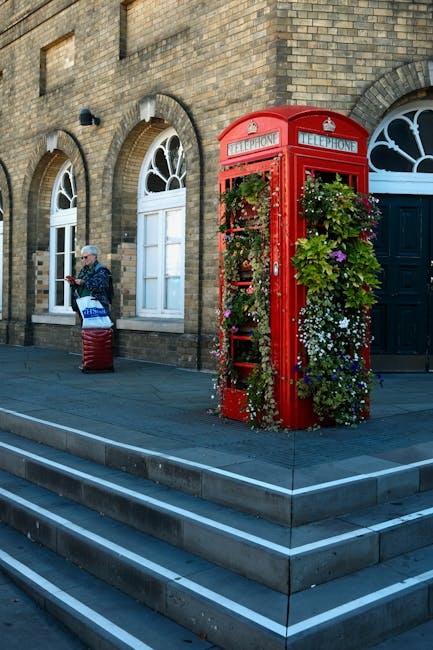
Balham station gardeners who work after commute hours
If you live near Balham station, you probably know the rhythm: trains easing in, people hurrying home, bags at their feet, a quick look at the garden, and then that familiar thought, not tonight. That is exactly where Balham station gardeners who work after commute hours make life easier. They fit garden care into the late afternoon and evening window, so your outdoor space gets proper attention without forcing you to take time off work or shuffle your whole day around.
For busy commuters, this kind of flexible scheduling is not a luxury. It is often the difference between a garden that slowly gets out of hand and one that stays tidy, healthy, and actually enjoyable. In this guide, we will look at how after-hours garden visits work, who they suit, what to ask before booking, and how to get the best results. If you are comparing options, you may also want to look at the wider garden maintenance services overview and the company's pricing and quotes information so you can judge what fits your routine and budget.
Truth be told, evening garden work sounds simple on paper, but the good ones need planning. Timing, access, safety, noise, neighbours, light levels, and waste handling all matter. That is the difference between a neat visit and a frustrating one. Let's get into it properly.
Table of Contents
- Why Balham station gardeners who work after commute hours Matters
- How Balham station gardeners who work after commute hours Works
- Key Benefits and Practical Advantages
- Who This Is For and When It Makes Sense
- Step-by-Step Guidance
- Expert Tips for Better Results
- Common Mistakes to Avoid
- Tools, Resources and Recommendations
- Law, Compliance, Standards, or Best Practice
- Options, Methods, or Comparison Table
- Case Study or Real-World Example
- Practical Checklist
- Conclusion
- Frequently Asked Questions
Why Balham station gardeners who work after commute hours Matters
Balham has a classic London commuter feel. Mornings are busy, evenings are compressed, and weekends can disappear in a blink. Garden jobs are often the first thing to slip, especially if you work long hours or travel into central London. By the time you get home, the hedge is looking a bit proud of itself, the borders need a tidy-up, and the lawn has that slightly shaggy look that seems to happen almost overnight.
That is why evening and late-day gardening services matter so much. They respect how people actually live. You do not need to leave a key with a neighbour who may or may not remember. You do not need to take holiday time for a hedge trim. You can arrive home to work already done, which sounds small but feels enormous.
There is also a local practicality to it. Around station areas, parking can be tight, access can be awkward, and front gardens may be compact. A gardener who works after commute hours understands that the job needs to be efficient and low-disruption. They are usually planning around reduced daylight, more foot traffic, and the fact that most neighbours will be back from work too. That changes how the work is set up and how carefully it needs to be managed.
Key takeaway: After-hours garden care is about convenience, yes, but it is also about maintaining a garden properly without disrupting work, family, or the normal pace of a weekday.
For many households, this model also supports better garden consistency. Regular, smaller maintenance visits often prevent bigger seasonal problems later. A hedge kept trimmed little and often is easier to manage than one left until it becomes a bit of a beast. We have all seen that happen.
How Balham station gardeners who work after commute hours Works
The process is usually straightforward, but the detail matters. A gardener offering after-hours appointments will typically arrange a time slot in the late afternoon or early evening, often after the majority of local commuting demand has eased. Depending on the season, that may mean starting around 5:30pm, 6:00pm, or slightly later. In winter, daylight is the limiting factor; in summer, the evening window is more generous.
Most visits begin with a brief assessment. The gardener checks what needs doing, whether there are any access issues, and whether the work can be completed safely in the available light. Then the actual gardening begins: hedge trimming, pruning, lawn edging, weeding, leaf clearance, planting adjustments, or a general tidy-up. If you are booking a broader package, you may find it helpful to review the provider's services overview so the scope is clear before the visit starts.
After-hours work also tends to be more organised than many people expect. Why? Because time is tighter. A good gardener will arrive with the right tools, a clear plan, and a realistic view of what can be achieved in one visit. That sounds obvious, but it saves everyone hassle.
What usually happens before the visit
- Agree the work scope in advance
- Confirm access, gate codes, parking, or entry instructions
- Check whether the work is suitable for evening light levels
- Discuss any noise-sensitive jobs, such as powered hedge cutting
- Clarify waste collection and disposal expectations
What usually happens during the visit
- Initial walk-through of the garden
- Completion of priority jobs first
- Careful clean-up of cuttings and debris
- Final review, often with a quick note on any follow-up work
One small but important point: after-hours gardening is not just a matter of "doing the same thing later." The timing affects everything from visibility to how noisy the work can be. A responsible provider will work within those limits rather than pretending they do not exist. That is reassuring, actually.
Key Benefits and Practical Advantages
The headline benefit is obvious: flexibility. But there is more to it than that. For commuters near Balham station, evening gardening can solve several day-to-day problems at once.
1. It avoids taking time off work
No one wants to burn annual leave just to get a hedge trimmed or a border tidied. After-hours visits fit into your life instead of making you rearrange it.
2. It keeps the garden under control year-round
Regular maintenance is easier to sustain when appointments happen outside office hours. That means fewer overgrown patches, fewer emergency tidy-ups before visitors arrive, and fewer weekend chores eating into your downtime.
3. It is better for busy households
If you have school runs, flexible hours, hybrid work, or a household that runs on a tight schedule, evening visits can be far more manageable. You can leave instructions in the morning and come home to a finished job. Nice, simple, done.
4. It supports better first impressions
Front gardens, boundary hedges, and visible planting areas contribute a lot to kerb appeal. A tidy outdoor space helps your home look cared for, whether you are hosting guests, preparing to sell, or just wanting things to feel more settled.
5. It can reduce stress
This may sound minor, but it matters. Seeing a messy garden every evening can quietly nag at you. Getting it sorted after work removes that background pressure. Sometimes that is the real value, not the hedge itself.
| Feature | After-Commute Hours Gardening | Standard Daytime Booking |
|---|---|---|
| Fits around office hours | Yes | Often difficult |
| Requires time off work | No, usually not | Often yes |
| Best for regular upkeep | Very suitable | Suitable, but less convenient for commuters |
| Access planning | Important | Still important |
| Seasonal daylight limits | More relevant | Less relevant |
There is also a subtle quality benefit. When clients can book more easily, maintenance becomes consistent. And consistency, in gardening, is everything. A little and often approach usually beats heroic rescue work later on.
Who This Is For and When It Makes Sense
This service is a strong fit for people whose days are already full. If that sounds familiar, you are probably the target customer without even trying to be. Balham station gardeners who work after commute hours are especially useful for:
- Commuters with long workdays
- Landlords who need tidy outdoor spaces maintained between tenancies
- Homeowners who are rarely at home before evening
- Families who want garden work done without disrupting the daytime routine
- People with front gardens or visible hedges that need frequent upkeep
- Older residents who prefer to be present in the evening rather than during the day
It also makes sense if your garden has manageable but regular tasks rather than major reconstruction. Think hedge trimming, border clearing, lawn edging, pruning, pressure-free seasonal tidy-ups, and waste removal. If the job is very large, very noisy, or requires several hours of daylight, an evening slot may be less suitable. No drama, just the reality of the light.
To be fair, not every garden is an after-work garden. A full redesign, heavy clearance, or extensive planting project may need a daytime team and a longer booking window. But for routine care, evening work is often ideal.
Step-by-Step Guidance
If you are booking a gardener after work for the first time, the easiest approach is to treat it like a simple project with a few clear steps. Keep it tidy. Keep it practical.
- List the jobs you actually need done. Be specific. "Tidy the garden" is fine as a starting point, but "trim front hedge, remove weeds from patio edge, and clear clippings" is much better.
- Check what can realistically be done in evening light. If the work depends on detailed pruning or delicate planting, ask whether it is better booked earlier in the day or split across visits.
- Confirm access arrangements. This includes gates, side passages, bins, and where tools or cuttings can be placed during the job.
- Ask about insurance and safety. You want reassurance that the provider takes property care and safe working seriously. The company's insurance and safety information and health and safety policy are good places to check how they approach risk.
- Agree how waste will be handled. Some jobs produce far more material than expected, especially hedge trimming. Ask whether clippings are removed, composted, or bagged for collection.
- Schedule repeat visits if the garden needs ongoing care. For many Balham homes, a steady maintenance rhythm is easier than occasional big clean-ups.
A small practical tip: send photos before the first visit if you can. It saves time, avoids guesswork, and helps the gardener judge whether the appointment needs extra time or equipment. Nothing fancy. Just useful.
Expert Tips for Better Results
There are a few habits that make evening gardening work better straight away. These are the little things that often separate a smooth appointment from a slightly chaotic one.
Choose the right jobs for the time of day
Late-day work suits tidy-up tasks, hedge cutting, quick pruning, weeding, and cleanup. It is less ideal for fiddly jobs that need lots of close inspection unless the gardener starts early enough or the garden has strong lighting.
Make access as easy as possible
If the gardener has to spend the first ten minutes hunting for a key, a wheelbarrow route, or a bin lid that won't budge, you are already losing time. Clear access equals better work.
Keep lighting in mind
Even in summer, the light changes quickly after 7pm. In autumn especially, a job that looks simple at 5pm can feel very different at 6:15pm. Good providers know this and plan accordingly, but it helps if you do too.
Use a maintenance rhythm
Regular upkeep is usually more cost-effective and less stressful than emergency fixes. A slightly overgrown hedge is manageable. A hedge that has gone feral? That is a whole different mood.
Ask for a clear finish standard
Agree what "done" looks like. Do you want leaves removed from the lawn, paths swept, and clippings bagged? Say so. It is much easier than guessing later.
Expert summary: For after-hours gardening, the best results come from clear scope, realistic timing, and simple access. The work itself may be straightforward, but the setup makes all the difference.
And yes, it helps to be realistic. If the weather turns, if the evening gets dark faster than expected, or if the work expands halfway through, flexibility matters. That's gardening for you.
Common Mistakes to Avoid
Even a good service can feel disappointing if the booking is badly set up. Here are the mistakes people make most often.
1. Assuming everything can be done in one evening
That is a common one. Some gardens need a phased approach. Trying to cram too much into a short slot usually means rushed work or unfinished details.
2. Not confirming what is included
Does "garden tidy" include waste removal, edging, and sweeping? Does it include front and back gardens, or just one area? Spell it out before the visit.
3. Ignoring lighting conditions
If the work depends on precision, evening timing matters. A job that looks fine in daylight can be tricky once the light softens or disappears. It happens.
4. Forgetting about neighbours
Powered tools can be perfectly normal, but you still need a bit of consideration. If the job involves hedge trimmers or blowers, timing and duration matter, especially in shared or terraced settings.
5. Choosing price alone
Everyone likes a fair price. Of course. But low-cost quotes without clarity on safety, waste handling, or scope can end up being false economy. It is worth checking the provider's terms and conditions and payment and security details so there are no awkward surprises later.
Another quiet mistake: not asking about follow-up. A one-off tidy is useful, but if your garden needs ongoing care, ask whether repeat evening visits are possible. That is often where the real value sits.
Tools, Resources and Recommendations
You do not need to be a gardener yourself to make a smooth after-hours booking, but it helps to understand the basic kit and support areas involved. A professional evening gardener will typically bring tools suited to the job and the available time.
Useful tools commonly used in evening garden work
- Hand pruners and loppers for shaping and thinning
- Hedge trimmers for boundary and decorative hedges
- Rakes, brooms, and garden vacuums for tidy-up work
- Gloves, eye protection, and sturdy footwear
- Waste bags or bins for cuttings and debris
- Battery-powered equipment where lower noise is useful
Helpful things to check before booking
- What services are offered in one visit
- Whether the provider handles waste responsibly
- How they manage safety and property protection
- Whether after-hours appointments are actually available in your postcode area
- How pricing is structured for small and larger jobs
If sustainability matters to you, it is also worth asking how green waste is handled. Some providers place a real emphasis on reuse and recycling practices. You can review the company's recycling and sustainability approach if that is important to your household. It is a small detail, but not really small at all when you care about what happens after the cuttings leave the garden.
For general company information, the about us page is useful if you want a better feel for how they work, while contact us is the obvious next step when you are ready to ask about availability. Simple enough, but worth saying.
Law, Compliance, Standards, or Best Practice
Garden maintenance is not heavily regulated in the same way as some trades, but there are still important standards and duties to take seriously. A professional gardener working after commute hours should behave in a way that is safe, considerate, and legally sensible. That includes caring about access, hazards, equipment, and the surrounding property.
In practical terms, best practice usually means:
- Working with appropriate insurance in place
- Using tools safely and maintaining them properly
- Protecting client property and surfaces during work
- Managing waste responsibly
- Being mindful of noise, neighbours, and access arrangements
- Keeping clear communication about scope and timing
Where a provider sets out how they approach risk, that is a good sign. It should not read like a mystery novel. It should be plain, clear, and easy to understand. Their health and safety policy, insurance and safety page, and modern slavery statement can all help you judge how responsibly the business is run.
If you need support with accessibility, booking clarity, or site navigation, the accessibility statement is also worth checking. And if a concern ever arises, the complaints procedure should show that the business has a proper way to deal with issues rather than brushing them aside.
Options, Methods, or Comparison Table
Not every garden or household needs the same format. Here is a simple comparison of the most common ways people manage garden care near Balham station.
| Method | Best For | Strengths | Limitations |
|---|---|---|---|
| After-commute hour visits | Busy commuters, regular maintenance | Convenient, low disruption, easy to fit around work | Limited by daylight and neighbour considerations |
| Daytime appointments | Longer jobs, detailed work, large gardens | More daylight, more time, often better for complex work | May require time off or being at home during the day |
| Weekend bookings | Households with flexible weekends | No need to use work hours, often easier to supervise | Weekends can be busy, less restful, slots may fill quickly |
| Seasonal one-off clearances | Neglected gardens, spring/autumn resets | Fast visual improvement | Less effective than regular maintenance for long-term control |
For many Balham households, the sweet spot is a hybrid approach: evening maintenance during the year, then a slightly larger seasonal visit when needed. That keeps the garden manageable without making every booking a mini project.
Case Study or Real-World Example
Here is a realistic example based on a very common commuter pattern. A couple living a short walk from Balham station had a front hedge that was starting to block the path and a back garden that had slipped into "we'll do it next weekend" territory. They both worked full-time, often got home after 6:30pm, and weekends were already crowded with family commitments.
Instead of trying to squeeze the work into a Saturday morning, they booked an after-commute visit. The gardener arrived with a clear list: trim the hedge, tidy the borders, clear clippings, and sweep the front path. The visit was planned around the fading light, so the most precise work happened first. The bulk cleanup came after. Nothing dramatic, just efficient.
What did they notice? First, the evening booking removed the stress of arranging time off. Second, they were able to check the work in person as soon as they got home. Third, because the garden was being maintained more consistently, later visits were shorter and easier. That is often how it goes. A good start reduces future fuss.
There was also a practical benefit they had not expected: the front of the house looked cared for again, which made the whole place feel less rushed. A small win, but a nice one.
Practical Checklist
Use this before booking or confirming an after-hours gardening visit.
- List the exact jobs you want completed
- Check whether the work can reasonably be done after commute hours
- Confirm access details for gates, side passages, bins, and parking
- Ask how waste and cuttings will be handled
- Confirm whether the gardener is insured and works safely
- Review the provider's service scope and pricing
- Ask if evening slots are available regularly or only seasonally
- Make sure neighbours will not be affected by avoidable noise or disruption
- Share photos if the garden layout is awkward or the work is hard to judge
- Agree what a completed job should look like before the visit starts
Small prep, big difference. Honestly, that is half the battle with evening work.
Conclusion
Balham station gardeners who work after commute hours give local households a practical, modern way to keep their gardens in shape without sacrificing working time or family time. The appeal is not just convenience, although that is a big part of it. It is also about consistency, lower stress, safer planning, and a garden that feels under control even during the busiest weeks.
If you want the best results, keep the booking simple: know the job, confirm access, check safety and insurance, and choose a provider who understands the realities of evening work in a busy London neighbourhood. Do that, and the whole thing becomes far less of a chore. More like a quiet relief, actually.
If you are ready to talk through your garden needs, compare options, or check whether an evening slot is available, the next sensible step is to reach out and ask a few direct questions. Contact the team here to get started.
Get a free quote today and see how much you can save.
Frequently Asked Questions
What does Balham station gardeners who work after commute hours actually mean?
It refers to garden maintenance or garden care appointments scheduled after the normal work commute, usually in the late afternoon or evening. It is designed for people who cannot easily be home during the day.
Are evening gardening appointments suitable for all types of jobs?
Not always. Routine maintenance, hedge trimming, weeding, and tidy-ups are usually fine. Larger, more detailed, or very daylight-dependent jobs may be better done earlier in the day.
Will an after-hours gardener still have time to do a proper job?
Yes, if the scope is agreed properly and the job fits the available time. The key is matching the task to the booking window instead of trying to squeeze too much into one visit.
Is evening garden work noisy?
It can be, especially if powered tools are used. A considerate gardener will plan the timing carefully and avoid unnecessary disruption where possible. In some cases, quieter tools or hand finishing are a better choice.
How do I prepare my garden for a late appointment?
Clear access, move fragile items, secure pets, and make sure the gardener can reach gates, paths, and working areas easily. If there are special instructions, send them ahead of time.
Can I book repeat evening visits?
Often, yes. In fact, regular visits are usually the best way to keep a commuter-friendly garden under control. A maintenance rhythm tends to work better than occasional emergency clean-ups.
What should I ask before booking?
Ask what is included, how long the visit will take, whether waste removal is provided, whether the gardener is insured, and whether the timing really suits the work you need done.
Is after-commute gardening more expensive?
It can be, depending on scheduling, job complexity, and how the provider structures their pricing. The fairest approach is to request a clear quote and compare it with the value of the convenience and time saved.
What if my garden is too dark by the time the gardener arrives?
Then the job may need to be split, moved earlier, or limited to tasks that can be done safely and accurately in lower light. Good providers will be honest about that rather than pushing ahead blindly.
Do evening gardeners handle waste and clippings?
Many do, but you should confirm it in advance. Waste handling is one of those details people forget to ask about, and then it becomes awkward later. Better to be clear from the start.
How do I know if a provider is trustworthy?
Look for clear service information, sensible communication, proper safety and insurance details, and fair terms. Pages such as about us, terms and conditions, and insurance and safety can help you judge that.
What if I only need a one-off tidy after work?
That is absolutely fine. Not every customer needs a regular contract. A one-off evening tidy can still make a big difference, especially if the garden has become a little untidy after a busy spell.
Can I ask about sustainability and recycling?
Yes, and you probably should if that matters to you. It is sensible to ask how cuttings, green waste, and reusable materials are handled. The provider's recycling and sustainability page is a good place to start.
Sometimes the best home improvements are the quiet ones. A neat garden after a long workday can change the whole feel of the evening, and that is no small thing.