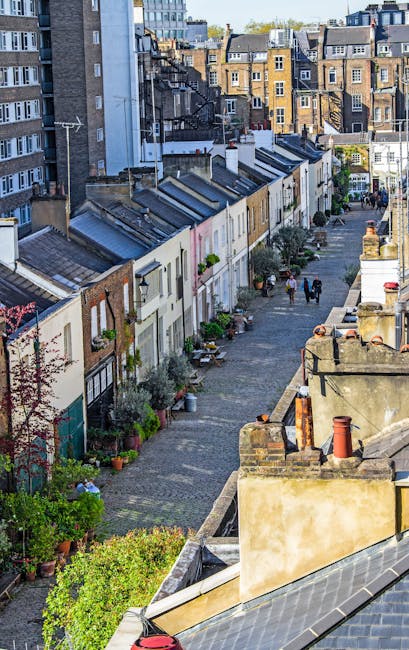
Balham High Road garden maintenance guide for terraces
If you live near Balham High Road, you already know terrace gardens have a certain charm. They can be compact, slightly awkward, and wonderfully useful all at once. A paved strip, a raised bed, a few pots by the back door, maybe a narrow lawn if you're lucky. But they also need regular care, because a terrace garden can go from neat to tired surprisingly fast. This Balham High Road garden maintenance guide for terraces is here to help you keep things healthy, presentable, and manageable without turning every weekend into a chore.
Whether you want a tidy space for morning coffee, a place for children to play, or a small outdoor room that looks good from the kitchen window, the basics are the same: light but consistent maintenance, smart plant choices, and a plan that suits London weather and terrace living. In practice, that usually means more pruning, more sweeping, and better drainage than people expect. Nothing dramatic. Just steady care, done well.
In this guide, you'll find a clear step-by-step approach, common mistakes, practical tools, local best practice, and a realistic view of what matters most for terraces around Balham. No fluff. Just useful guidance you can actually use.
Table of Contents
- Why Balham High Road garden maintenance guide for terraces Matters
- How Balham High Road garden maintenance guide for terraces Works
- Key Benefits and Practical Advantages
- Who This Is For and When It Makes Sense
- Step-by-Step Guidance
- Expert Tips for Better Results
- Common Mistakes to Avoid
- Tools, Resources and Recommendations
- Law, Compliance, Standards, or Best Practice
- Options, Methods, or Comparison Table
- Case Study or Real-World Example
- Practical Checklist
- Conclusion
- Frequently Asked Questions
Why Balham High Road garden maintenance guide for terraces Matters
Terrace gardens in Balham tend to face the same pressures: limited space, shade from neighbouring buildings, compacted soil, and a constant tug-of-war between looking good and being easy to maintain. If your outdoor area backs onto a terrace, a mews, or a small London courtyard, it is not just a decorative extra. It affects how the whole property feels.
A well-kept terrace garden can make a narrow home feel calmer, brighter, and more usable. A neglected one does the opposite. Weeds creep through paving. Pots dry out faster than you expect. Clipped hedges grow into awkward shapes. And a small issue, left alone for a month or two, often becomes the sort of problem that eats an entire Saturday. Truth be told, that is how most garden headaches start.
Maintenance matters for another reason too: terrace gardens are close to daily life. You see them from the kitchen, hear rain hit the paving, and walk through them every day. So small improvements make a bigger difference than they would in a larger, more hidden garden. A clean edge, healthy container planting, and tidy access can change the feel of the space straight away.
For Balham High Road properties, there is also the practical side of street-facing presentation. Front terraces, narrow front gardens, and visible side access areas often contribute to kerb appeal. If the space looks cared for, the whole property tends to feel more settled and welcoming. And let's face it, that first impression counts.
If you want a broader overview of what regular upkeep should cover, it can help to look at a more general garden maintenance service overview before narrowing down terrace-specific tasks.
How Balham High Road garden maintenance guide for terraces Works
Terrace garden maintenance works best when it is treated as a cycle rather than a one-off tidy-up. Most tasks fall into a simple rhythm: observe, clear, cut back, feed, water, and check. Not every terrace needs all of these each week, but all of them matter across a season.
The key difference with terraces is scale. In a larger garden, some problems can wait. On a terrace, they tend to be more visible and more sensitive. A pot left unwatered for two hot days can fail. A drain blocked with leaves can cause puddling across paving. A climbing plant that is fine in May may be overreaching by July. Small space, bigger impact.
Most successful terrace maintenance plans in London use three layers:
- Routine care - sweeping, watering, deadheading, and quick checks.
- Seasonal care - pruning, mulching, soil refresh, replanting, and plant support.
- Corrective care - resolving drainage issues, replacing weak planting, repairing edging, or reshaping overgrown shrubs.
That balance is important because terraces often rely on containers, raised beds, and narrow planting strips instead of open ground. Those features are brilliant for flexibility, but they dry out quicker and need more regular attention. A terrace garden is a bit like a good flat: compact, efficient, and happiest when everything has its place.
If your terrace includes climbing plants, seasonal pots, or training wires, you may also find it useful to review specialist support such as hedge trimming services or lawn mowing and edge care if you have even a small strip of grass to look after.
Key Benefits and Practical Advantages
A tidy terrace garden is not just about appearances. The benefits are practical, and they show up quickly when the weather turns or the space gets busy.
1. Better use of space
On a terrace, every square metre needs to earn its keep. Maintenance helps keep walkways open, containers healthy, and seating areas usable. That matters when your garden is also your drying space, your coffee spot, and sometimes your storage overflow.
2. Healthier planting
Pruning dead growth, improving compost, and watering properly all reduce stress on plants. Healthy plants usually need less rescue work later. A simple example: a rosemary pot that drains well and gets trimmed lightly is far easier to maintain than one left to sprawl, dry out, and go woody.
3. Lower long-term cost
Regular care often prevents bigger repairs. Clearing moss from paving before it becomes slippery, or refreshing soil before plants fail, is usually cheaper than replacing materials or replanting entire containers.
4. Better kerb appeal and everyday comfort
A terrace garden that looks intentional feels more welcoming. That applies whether you're hosting friends, planning to sell, or simply want to look out at something pleasant after a long commute.
5. Safer surfaces and access
Leaves, algae, loose pots, and uneven edging can all create avoidable hazards. Good maintenance keeps routes clearer and surfaces easier to walk on, which is especially useful in damp London weather.
Expert summary: Terrace gardens reward consistency. Little and often almost always beats occasional heavy work. If you keep water, pruning, drainage, and debris under control, the rest becomes much easier to manage.
Who This Is For and When It Makes Sense
This guide is for anyone with a terrace garden near Balham High Road who wants the space to look good without overcomplicating it. That includes homeowners, landlords, tenants with responsibility for outdoor spaces, and anyone managing a small courtyard or back terrace that tends to get neglected between seasons.
It makes particular sense if you are dealing with any of the following:
- a narrow paved terrace that collects leaves and grime
- container planting that dries out too fast in summer
- patchy growth in beds bordered by fencing or brick walls
- shaded corners where moss and damp linger
- overgrown shrubs or climbers near boundaries
- a garden that is visible from the house and needs to stay presentable
It is also useful if you are trying to decide whether to manage the space yourself or bring in help. A lot of people start with the best intentions in spring, then realise by midsummer that the work is more regular than expected. That is normal. Terrace gardens can look low-maintenance, but they rarely are, not fully.
If you have multiple exterior areas, it can help to look at related services too, especially if your terrace is part of a broader property upkeep plan. For example, some households benefit from pairing terrace care with grass cutting support or a wider garden care service so everything stays in step.
Step-by-Step Guidance
Here is a practical terrace maintenance routine that works well for many Balham homes. Adjust the timing to suit your planting and the weather, but keep the order in mind. It saves time.
1. Start with a quick visual survey
Before you cut, water, or sweep, take two minutes to look properly. Check for drooping plants, blocked drainage, broken pots, loose gravel, weed growth, and any signs of pests. In the evening light, especially after a dry day, the problem spots often stand out more clearly.
2. Clear debris first
Remove leaves, old stems, windblown litter, and dead flowers. On terraces, debris is not just untidy; it can trap moisture against paving or sit in corners where airflow is poor. A quick sweep can do more than people think.
3. Check containers and beds
Containers deserve close attention because they are the most vulnerable part of many terrace gardens. Lift them slightly if you can, check whether they are waterlogged, and confirm that drainage holes are open. If compost looks hard, dry, or compacted, it may need refreshing rather than just watering.
4. Water carefully, not automatically
Not every plant needs the same amount. Herbs in terracotta, newly planted shrubs, and flowering annuals usually need closer monitoring than established evergreen plants. Water at the base where possible. A common mistake is to sprinkle the top of a pot and assume the job is done. It rarely is.
5. Prune and deadhead with purpose
Remove dead blooms, damaged stems, and any growth blocking paths or windows. Keep structural pruning modest unless you know the plant well. If a climber or shrub has become too bulky, a gentler staged cut is often better than one hard chop. Plants do forgive a lot, but not always immediately.
6. Feed and mulch where appropriate
In terrace gardens, nutrients get used up faster, especially in pots. A controlled feed during the growing season can support better foliage and flowering. Mulch helps retain moisture and reduce weed growth, though you should avoid piling it against stems. A light layer is usually enough.
7. Inspect hard surfaces and edges
Paving, steps, sleepers, and edging all deserve a glance. Look for algae, loose joints, crumbling mortar, and anything that creates a trip risk or holds standing water. If cleaning is needed, tackle it before moss gets established.
8. Finish with a reset
Put tools away, straighten pots, and make sure the terrace feels usable again. This final step sounds minor, but it is often the difference between a maintained space and a half-finished one. You want the garden to invite use, not just survive the week.
A useful way to think about it: if your terrace takes ten minutes to look at and thirty minutes to improve, you are probably on track. If you keep putting off the same corner, that corner will eventually win. It always does.
Expert Tips for Better Results
Small terrace gardens often respond better to thoughtful adjustments than to heavy work. A few experienced habits can make a noticeable difference.
Group plants by water needs
It is easier to maintain a terrace when thirsty pots are together and tougher, more drought-tolerant plants are grouped separately. This reduces guesswork and prevents one plant from being overwatered while another dries out.
Use layers, not clutter
A compact terrace can handle a surprising amount of planting if it is layered well: low plants in front, medium-height containers behind, and one or two taller focal points for structure. Too many disconnected pots just look busy. A few purposeful groupings look calmer and are easier to care for.
Keep a weather eye on exposed spots
Balham can be fairly sheltered in some places and open in others. Wind tunnels, south-facing walls, and reflective surfaces all affect how quickly a terrace dries out. If one corner always seems to wilt first, that is a site condition, not a personal failure. Adjust for it.
Choose materials you can actually maintain
Glazed pots, sealed timber, gravel edging, and durable paving can be easier to live with than fussy finishes that stain quickly or hold dirt. A terrace garden should suit your routine, not the other way around.
Trim little and often
Frequent light pruning is usually kinder and more effective than rare heavy cuts. It keeps shape under control and avoids the slightly untidy aftermath of removing too much at once. You know that look where everything seems to have had a rough morning? Best avoided.
Build in a "five-minute rescue" routine
Have a quick weekly reset: empty the watering can, remove three weeds, deadhead a pot, and sweep the main path. Five minutes sounds almost too simple, but it works. Consistency wins here.
Common Mistakes to Avoid
Terrace garden maintenance goes wrong most often through good intentions, not carelessness. The most common mistakes are easy to recognise once you know what to look for.
- Overwatering pots - wet roots are a common cause of decline in container gardens, especially where drainage is poor.
- Ignoring drainage - if water sits on paving or in trays, the garden can become slippery and plants can suffer.
- Letting climbers run wild - once they start pulling into gutters, fencing, or neighbouring boundaries, sorting them gets harder.
- Using the wrong compost - terrace plants often need a better-quality potting mix than people expect, particularly in small containers.
- Pruning at the wrong time - a harsh cut just before flowering can remove the very display you were hoping for.
- Choosing too many thirsty plants - if you do not have time for daily watering in summer, select accordingly.
- Leaving moss and algae untreated - these build up quietly on shaded terraces and eventually turn into a safety and appearance issue.
One very human mistake: buying plants because they looked brilliant in the shop at 6 p.m., then discovering they need more sun than your terrace can offer. Happens all the time. No judgement.
If you need more detailed support on overgrowth or boundary plants, a dedicated tree pruning guide and service can be useful where taller planting starts affecting light, access, or neighbouring space.
Tools, Resources and Recommendations
You do not need a shed full of equipment to maintain a terrace garden well. In fact, too many tools just get in the way. A focused kit is usually enough.
| Tool or resource | Best use on a terrace | Why it helps |
|---|---|---|
| Hand trowel and hand fork | Container planting and small beds | Good for precise work without disturbing nearby plants |
| Bypass secateurs | Deadheading, light pruning, and stem cutting | Clean cuts reduce plant stress |
| Stiff broom or garden brush | Paved terraces and steps | Fast way to keep walkways tidy and safer underfoot |
| Watering can with rose attachment | Precise watering for pots and beds | Helps avoid blasting soil out of containers |
| Peat-free compost and mulch | Refreshing containers and retaining moisture | Supports healthier growth and steadier moisture levels |
| Gloves and knee pad | Frequent maintenance sessions | Makes regular work more comfortable, which honestly matters |
For routine garden upkeep, you may also want to explore broader support pages such as pressure washing for outdoor surfaces when paving needs careful cleaning, or leaf clearance services if your terrace sits under trees or near heavy seasonal drop.
One more useful point: in a terrace setting, storage matters almost as much as the tools themselves. If secateurs, compost bags, and watering cans are easy to reach, you are far more likely to keep on top of things. If they are buried behind bikes and planter boxes... well, you know how that goes.
Law, Compliance, Standards, or Best Practice
Most terrace garden maintenance is straightforward, but there are a few practical standards and common-sense considerations worth keeping in mind in London.
Neighbour boundaries: If branches, climbers, or roots extend into a neighbour's space, it is usually better to discuss things calmly before trimming or removing anything. Boundary issues can become messy fast, and a polite conversation tends to go further than a surprise cut-back.
Waste handling: Garden waste should be stored and disposed of responsibly. If you are booking professional work, check how green waste is handled and whether the service includes removal. It sounds obvious, but the detail matters.
Surface safety: Shaded terraces can develop algae or moss, especially after wet weather. Best practice is to clean these surfaces before they become slippery. You do not need to overstate the risk, but you also do not want to ignore it.
Water use: In warmer spells, watering sensibly makes sense for both plant health and environmental reasons. Deep, less frequent watering is often better than a quick daily splash, especially for established plants.
Property-specific considerations: If you rent, lease, or share access to the terrace, check who is responsible for routine maintenance and what level of change is allowed. This is one of those areas where a brief written agreement saves a lot of awkwardness later.
For the most part, the standard to aim for is simple: keep the space safe, accessible, and considerate to neighbours. That is the real-world benchmark, honestly.
Options, Methods, or Comparison Table
There is no single right way to maintain a terrace garden. The best approach depends on time, plant choice, and how much of the work you want to do yourself. Here is a simple comparison that may help.
| Method | Best for | Pros | Limitations |
|---|---|---|---|
| DIY weekly maintenance | Small, simple terrace gardens | Low cost, flexible, good for staying closely involved | Easy to fall behind if life gets busy |
| Seasonal tidy-up with occasional help | Busy households wanting backup at peak times | Balances cost and convenience | Problems can build between visits if routine care is missed |
| Regular professional maintenance | Landlords, larger terrace spaces, or time-poor owners | Consistent results, better oversight, less stress | Higher ongoing spend |
If your terrace garden contains mature shrubs, climbing plants, or dense boundary growth, a mixed approach is often the smartest one. Keep the simple tasks yourself and bring in help for the parts that are awkward, heavy, or time-consuming. That way you stay in control without wearing yourself out.
Case Study or Real-World Example
Consider a typical Balham terrace: a paved back garden with two large pots, a narrow raised bed along the fence, a climbing plant, and a small seating area. In early spring, it looks fine enough. By mid-July, the pots are drying unevenly, the climber has started to crowd the fence line, and fallen leaves from nearby trees are collecting near the drain. Nothing disastrous, just enough to make the space feel slightly tired.
A sensible maintenance routine would usually tackle it in stages:
- clear leaves and grit from the paving
- check the drain and remove blockages
- deadhead flowers and trim damaged stems
- refresh compost in the pots
- lightly reduce the climber to keep access open
- mulch the raised bed to slow evaporation
After that, the space is easier to use and easier to maintain. It does not need to become a show garden. It just needs to feel intentional. That is often the real win on a terrace.
In our experience, the biggest improvement usually comes from fixing the least glamorous thing first: drainage, debris, or overgrown edges. The pretty bits matter, of course, but the boring stuff tends to decide whether the garden stays manageable. Nature can be a bit unromantic like that.
Practical Checklist
Use this checklist for a quick terrace garden reset. It works well as a weekly or fortnightly habit during the main growing season.
- Remove leaves, litter, and dead plant material
- Check pots for dryness, waterlogging, or cracked bases
- Water at the roots rather than just the surface
- Deadhead spent flowers and trim damaged growth
- Inspect paving, steps, and edging for moss or movement
- Make sure drains and gullies are clear
- Reposition pots so walkways stay open
- Lightly feed plants if they are in active growth
- Check climbers and shrubs are not blocking light or access
- Refresh mulch or compost where needed
- Store tools safely and out of the way
- Take one minute to look at the space as a whole, not just the tasks
Quick reminder: if a task feels too awkward, too heavy, or too high up, that is usually the point where a bit of professional help makes sense. No need to wrestle with a stubborn ivy column on your own just because it seems like you should.
Get a free quote today and see how much you can save.
Conclusion
A terrace garden near Balham High Road does not need complicated treatment to look good. It needs steady attention, sensible plant choices, and a routine that fits real life. Keep it swept, watered, pruned, and checked for drainage issues, and the space will usually stay pleasant without becoming a burden.
The best results come from small habits done consistently. That is especially true on terraces, where the details are close to home and hard to ignore. If you keep on top of the basics, you will notice the difference every time you step outside, even on a grey London morning with damp paving and a bit of drizzle in the air.
And if you ever feel behind, you are not alone. Terrace gardens ask for attention, but they give a lot back when you meet them halfway. That is the lovely thing about them, really.
Frequently Asked Questions
How often should a terrace garden near Balham High Road be maintained?
For most terrace gardens, a light weekly reset works well during the growing season, with deeper seasonal maintenance in spring and autumn. Pots and exposed areas may need checking more often in hot or windy weather.
What makes terrace garden maintenance different from normal garden care?
Terraces usually have less soil, more hard landscaping, and tighter access. That means drainage, container care, and space management become more important than they would in a larger garden.
Do terrace gardens need special plants?
Not always, but they do benefit from plants that match the conditions. Drought-tolerant, compact, and container-friendly plants are often easier to manage than large, thirsty varieties that outgrow the space quickly.
Can I maintain a terrace garden myself?
Yes, if the space is small and you are comfortable with regular watering, pruning, and cleaning. Many people do. If the garden includes overgrown climbers, tricky drainage, or heavy maintenance, support can save time and frustration.
What is the biggest mistake people make with terrace gardens?
Overwatering or neglecting drainage is probably the most common issue. On terraces, water does not always disperse the way it does in open soil, so containers and paved areas need closer attention.
How do I stop moss and algae building up on terrace paving?
Keep the surface clear of debris, improve airflow where possible, and clean the paving before buildup becomes established. Shaded areas may need more regular attention, especially after wet periods.
Is pressure washing suitable for terrace gardens?
Sometimes, yes, but it should be used carefully. Some paving, pointing, or older surfaces can be damaged by aggressive cleaning. Gentle, appropriate cleaning is usually the safer choice.
How much work does a small terrace garden really need?
Less than a larger garden in some ways, but often more frequently. Small spaces are easier to check, yet they can dry out, clutter up, or look tired faster if left alone for too long.
What should I do in autumn to prepare a terrace garden?
Clear fallen leaves, reduce dead growth, check drainage, protect more delicate pots if needed, and refresh compost or mulch. Autumn is also a good time to decide what needs replacing before winter arrives.
Are there any rules I should think about if my terrace is near a neighbour?
Yes, at least in practical terms. Keep growth within your boundary where possible, avoid letting debris spill into adjoining spaces, and discuss any significant pruning or access issues politely before acting.
Should I use peat-free compost for terrace containers?
In most cases, yes. Peat-free compost is now the common best-practice choice for many garden applications in the UK, and it works well for a wide range of terrace plants when chosen correctly.
When is the best time to book professional terrace garden maintenance?
Spring is a popular time because it sets the garden up for the growing season, while late summer or early autumn is useful for tidying, reshaping, and preparing for wetter weather. If the space is already becoming unmanageable, earlier is better.