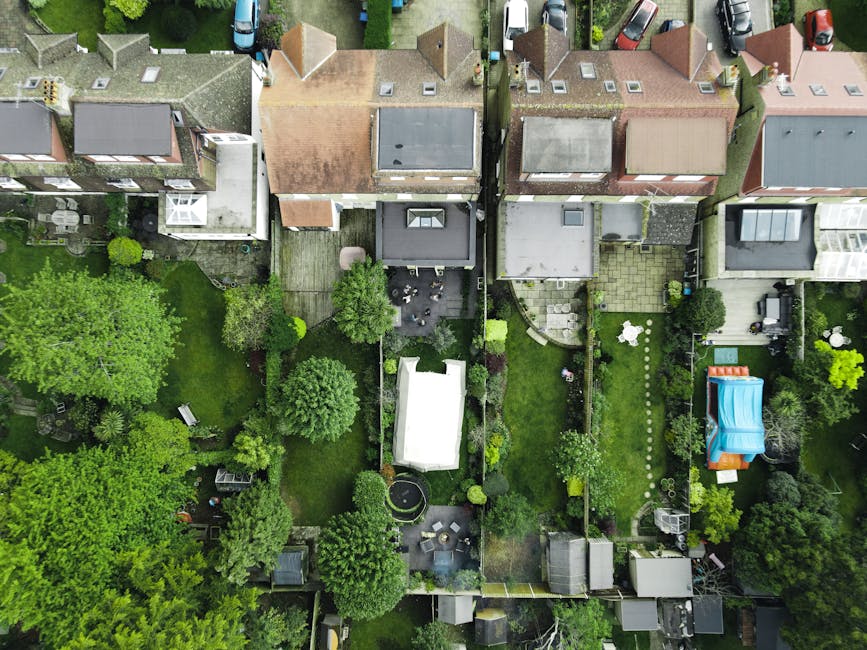
Balham Common gardeners for period houses and patios
If you own a period property near Balham Common, you already know the garden and patio can make or break the whole feel of the house. Old brickwork, original sash windows, narrow side returns, mature trees, brick paths, and a patio that has seen a few winters - it all needs a careful hand. That is exactly where Balham Common gardeners for period houses and patios come in. The best gardeners in this setting do more than mow and tidy. They balance heritage character, practical outdoor use, and the realities of London weather, all without making the space feel overworked.
Whether you want a courtyard that looks calm and elegant, a small patio that stays usable after rain, or planting that suits an older facade rather than fighting it, the right approach makes a noticeable difference. And to be fair, the wrong approach can be obvious very quickly: harsh edges, clashing materials, or planting that looks brilliant in May and then collapses by August. This guide walks through what matters, how the work is usually done, and how to choose a garden approach that respects both the property and your time.
For readers building a wider home and garden plan, it can also help to look at related local services such as garden maintenance in Balham, landscaping support in Balham, and patio cleaning in Balham. Different jobs, yes - but they often work best as part of one joined-up plan.
Table of Contents
- Why Balham Common gardeners for period houses and patios matters
- How the work works in practice
- Key benefits and practical advantages
- Who this is for and when it makes sense
- Step-by-step guidance
- Expert tips for better results
- Common mistakes to avoid
- Tools, resources and recommendations
- Law, compliance, standards, and best practice
- Options, methods, or comparison table
- Case study or real-world example
- Practical checklist
- Conclusion
- Frequently asked questions
Why Balham Common gardeners for period houses and patios Matters
Period houses ask for restraint. They have built-in character already, so the garden should support the architecture rather than compete with it. In Balham Common, that usually means working with compact urban plots, mature boundaries, and patios that need to look neat in winter as well as full and alive in summer. A generic approach can leave the space feeling oddly new, even if the house itself has lots of history.
The challenge is not only appearance. Older houses often come with older surfaces, movement in paving, shaded corners, and drainage quirks. If a patio ponds after rain, or if roots are lifting slabs, or if the planting bed is out of proportion to the frontage, the whole place starts to feel slightly tired. Not broken, necessarily. Just a bit off.
That is why experienced local gardeners matter. They understand the practical side of London gardens: limited access, neighbours close by, shade from terraces or trees, and the need for low-fuss maintenance when life is busy. A thoughtful gardener can protect a period home's character while making outside space genuinely usable. That is the sweet spot.
One useful mindset shift: you are not only maintaining a garden. You are curating the setting around the house. Small thing, but it changes the decisions you make.
How Balham Common gardeners for period houses and patios Works
The process usually starts with observation. A good gardener will look at the property's style, the direction of light, the condition of the patio, and how the garden is actually used. Is it for morning coffee, family play, entertaining, quiet planting, or all of those in one tight space? The answer shapes everything else.
For period houses, the work often combines three strands:
- Soft landscaping: planting, borders, seasonal colour, screening, and structure.
- Hard landscaping care: patio upkeep, jointing, edging, gravel, steps, and surface repair awareness.
- Routine maintenance: pruning, weeding, lawn care where relevant, leaf clearing, and general tidying.
In a typical Balham garden, the patio is not a standalone feature. It connects to the back of the house, often through French doors or a side return, and needs to feel like an extension of the home. That means the details matter: the scale of planters, the tone of paving, the way furniture fits, and whether the planting softens hard lines without hiding the architecture.
When a gardener understands these layers, the result feels calm and intentional. You notice it in the morning light on clean paving, in the scent of clipped herbs near the kitchen door, and in the way the garden still looks put together on a Tuesday evening when nobody has had time to fuss over it.
If you are comparing service levels, it can help to read about seasonal garden clearance in Balham and tree pruning in Balham, because mature planting and shaded patios often need those tasks folded into the wider maintenance plan.
Key Benefits and Practical Advantages
The benefits go beyond a prettier garden, though that is obviously part of it. The real value comes from making the space easier to live with and more aligned to the house itself.
- Better visual balance: period architecture and garden design feel more coherent.
- Safer, cleaner surfaces: regular care reduces slippery build-up, weed pressure, and clutter on patios.
- Improved usability: outdoor seating areas become more inviting and less awkward to maintain.
- Longer life for materials: early attention can reduce avoidable wear on paving, edging, and joints.
- More consistent planting: the garden looks good across seasons, not just in one flower-heavy burst.
- Lower stress for owners: when maintenance is structured, the garden stops becoming a weekend burden.
There is also a subtle but real property benefit. A well-kept patio and a garden that respects the house style can make a home feel more complete. Visitors might not be able to explain why it works, but they will feel it. That matters, especially with older homes where the outside space is part of the whole impression.
Expert summary: the best results usually come from matching the garden to the property's age, proportions, and daily use. Not from throwing in the most dramatic plants or the flashiest paving. Simple, well judged choices tend to age better - and they are easier to live with, which is half the battle.
Who This Is For and When It Makes Sense
This kind of gardening support makes sense for a few different situations. Some are obvious; some less so.
- Homeowners in period houses who want the garden to feel authentic rather than heavily redesigned.
- Busy households who need outdoor space to stay tidy without constant personal upkeep.
- Landlords or property managers looking after older homes with front or rear patios.
- People preparing to sell and wanting the outside space to look cared for and proportionate.
- Residents with awkward patios that need expert maintenance rather than full replacement.
It also makes sense if you have ever looked at a border and thought, "It was fine last spring, but now it's just a bit wild." Happens all the time. The issue is not necessarily neglect. Period house gardens can be a bit unforgiving because their charm depends on rhythm, scale, and regular attention. Miss that rhythm for one season and things drift.
People often reach out when they notice one of these signs:
- The patio feels messy even after a clean-up.
- Plants are blocking paths or windows.
- Drainage is poor around hard surfaces.
- The planting looks busy rather than elegant.
- Maintenance is taking more time than the garden is worth.
If any of that sounds familiar, you are probably at the point where a professional eye would save time and frustration.
Step-by-Step Guidance
Good garden work around period houses is usually methodical. Rushing it often leads to more work later, which is, frankly, annoying.
1. Start with a measured assessment
Walk the space properly. Look at sun, shade, drainage, paving condition, access points, and the style of the house. A narrow courtyard needs a different answer from a deeper rear garden. Take note of where water sits after rain and which areas are always damp or dry.
2. Decide what the garden should do
Be honest about use. Is this a place for dining, growing, relaxing, children, pets, or mainly just looking good from the kitchen? The best design decisions are usually those that reflect real behaviour, not idealised behaviour. Let's face it, most people do not sit outside with perfect regularity in British weather.
3. Protect the period character
Choose materials and planting that sit comfortably with the architecture. Soft, restrained planting often suits older homes better than highly contemporary shapes. That does not mean boring. It means deliberate. Think layered greenery, seasonal interest, and textures that echo brick, stone, or timber rather than fighting them.
4. Address the patio first if it is failing
If the patio is stained, loose, uneven, or slippery, deal with that before adding more planting. A beautiful border will not disguise a patio that feels tired underfoot. Cleaning, re-jointing, edge repair, or careful replacement can transform the whole impression.
5. Build the planting around maintenance reality
Choose shrubs, perennials, climbers, and herbs that suit the light and your willingness to maintain them. A low-maintenance garden is not maintenance-free. That's the trap. It just means the work is more predictable and less dramatic.
6. Put in a seasonal care rhythm
Once the space is established, keep on top of pruning, feeding, deadheading, leaf removal, and patio sweeping. A little and often approach tends to work best in London gardens, especially where space is tight and surfaces are close to the house.
Expert Tips for Better Results
A few small decisions can lift a patio and period garden from tidy to genuinely well resolved.
- Use scale carefully: oversized planters can overwhelm a modest terrace, while tiny pots can look lost beside a substantial facade.
- Repeat materials or colours: echoing tones in pots, furniture, and planting helps the garden feel composed.
- Keep sightlines clean: do not let shrubs or climbers block the best view from inside the house.
- Think in layers: groundcover, mid-height planting, and vertical structure create depth without clutter.
- Respect the patio edges: crisp borders and well-defined edges make even small spaces feel sharper.
- Choose plants for texture as well as flower: in shady spots, foliage often matters more than bloom.
One practical trick is to stand inside the house at dusk, when the light is fading and everything softens. If the patio still looks balanced then, you are usually on the right track. It is a simple test, but surprisingly revealing.
Another tip: do not overfill the space. A courtyard that can breathe will almost always feel more elegant than one crammed with too many features. People sometimes want "more garden", but what they actually need is better composition.
Common Mistakes to Avoid
Most disappointing results come from a few predictable mistakes. The good news is they are avoidable.
- Ignoring the age of the house: ultra-modern features can jar against a traditional facade.
- Choosing plants for the shop shelf effect: pretty in the moment, unsuitable in the space.
- Letting the patio become an afterthought: it is often the most used hard surface and needs regular care.
- Forgetting drainage: water management matters more than many homeowners expect.
- Over-pruning mature plants: this can strip character and lead to weak growth.
- Using too many unrelated materials: mixed finishes can make the area feel cluttered.
There is also a subtle mistake that shows up a lot: treating maintenance and design as separate jobs. In reality, they are tied together. If you choose a planting scheme that needs constant intervention, you are really choosing a maintenance problem. Bit blunt, but true.
If the space is already drifting, you may benefit from a broader reset through garden clearance in Balham before any finer detailing begins. Sometimes clearing the stage is the most useful first step.
Tools, Resources and Recommendations
You do not need a shed full of specialist kit to maintain a period-house patio and planting scheme well. But the right tools make a difference, and so does a sensible routine.
| Task | Useful tools or materials | Why they help |
|---|---|---|
| Patio sweeping and upkeep | Stiff broom, leaf rake, gentle washer where suitable | Keeps dirt, moss, and debris from building up |
| Planting and border care | Hand fork, secateurs, compost, mulch | Supports tidy, healthy growth without overworking the soil |
| Edge definition | Edging iron, spade, gravel rake | Helps older gardens look crisp and intentional |
| Container planting | Terracotta or stone-effect pots, quality compost, drainage material | Works well with period properties and smaller patios |
For many Balham homes, containers are a very practical solution. They bring flexibility, especially if you rent, share the space, or want to refresh the look without major construction. A good gardener can help with planting services in Balham so the containers work hard without looking fussy.
It is also worth considering garden maintenance support if you want regular care rather than one-off intervention. A once-a-month tidy may be enough for some plots; others will need lighter, more frequent attention. There is no single right answer, which is mildly annoying, but also useful. It means the plan can be shaped around your life.
Law, Compliance, Standards, or Best Practice
For most home gardens, the main concern is not formal regulation so much as good practice. Still, a careful gardener will keep a few practical and legal points in mind.
If work involves trees, hedges, boundary structures, or any access near neighbouring property, it is wise to be considerate about ownership boundaries and permissions. If there is a shared wall, retaining structure, or uncertain boundary line, avoid assumptions. Quietly checking before work starts is far better than dealing with an awkward conversation after the fact.
For older houses, best practice also means respecting the building fabric. Excessive pressure washing, aggressive digging near foundations, or careless use of chemicals can create avoidable problems. Mildly boring advice, yes, but the boring advice is often the valuable part.
Good professional standards usually include:
- working carefully around existing surfaces and structures;
- disposing of garden waste responsibly;
- using appropriate methods for pruning and planting;
- keeping walkways safe and accessible during the job;
- explaining any material changes clearly before work begins.
If a project touches larger landscaping work, drainage adjustments, or tree-related tasks, it is sensible to get clear guidance on the scope before anything starts. A short conversation upfront often prevents the sort of confusion that makes everyone sigh later.
Options, Methods, or Comparison Table
Not every period-house patio needs the same level of intervention. Some spaces need light maintenance and sharper detailing. Others need a more structural rethink. Here is a practical comparison.
| Approach | Best for | Pros | Limitations |
|---|---|---|---|
| Routine maintenance only | Healthy gardens that mainly need control and tidiness | Cost-effective, keeps things moving smoothly | May not solve deeper patio or layout issues |
| Maintenance plus seasonal refresh | Homes that need better planting balance and cleaner presentation | Good visual improvement without a full redesign | Still relies on the underlying layout working well |
| Targeted hard landscaping work | Uneven paving, tired surfaces, awkward drainage, or failing edges | Can transform how the space feels underfoot | More disruptive and usually more involved |
| Full garden redesign | Major rethinking of the whole outdoor space | Most flexible and comprehensive | Highest planning effort and usually the biggest commitment |
For many properties, the sweet spot is a blended approach: keep what works, fix what is failing, and only redesign the parts that genuinely need it. That tends to respect the age of the house while avoiding unnecessary upheaval.
Case Study or Real-World Example
Consider a typical Balham period terrace with a small rear patio, two narrow borders, and a couple of mature climbers pushing a little too enthusiastically along the fence line. The owners want somewhere to sit with a coffee in the morning and a glass of wine in the evening, but the space feels cramped and slightly neglected.
The first step is not to add more. It is to simplify. Overgrown stems are cut back carefully, the patio is cleaned and checked for loose joints, and the borders are reshaped so the planting sits lower near the seating area and taller at the far end. A few climbers are kept for softness, but not allowed to dominate. One or two larger containers are added rather than lots of small ones, so the eye has somewhere to rest.
After that, the space feels calmer immediately. Not dramatic. Calmer. The patio stops looking like a storage zone and starts feeling like part of the home. On a warm evening, the paving holds a little heat, the herbs smell sharper after watering, and the whole area becomes more inviting without looking overdesigned. That is usually the aim in this kind of setting.
The lesson? Small, well-considered changes often outperform grand gestures in period gardens. Especially in London, where every square metre has to earn its keep.
Practical Checklist
Use this checklist if you are planning work on a period-house garden or patio near Balham Common.
- Check how the garden is used day to day.
- Inspect the patio for staining, movement, loose joints, or standing water.
- Look at the house style and decide whether the garden supports it.
- Identify shaded, sunny, damp, and windy areas.
- Decide what should stay, what should be cut back, and what should go.
- Choose planting that suits the light and your maintenance appetite.
- Keep materials consistent and avoid too many finishes.
- Make sure paths and seating areas feel easy to move through.
- Plan seasonal maintenance, not just one-off tidying.
- Review whether you need support with clearance, pruning, or long-term care.
If you can tick most of those off, you are already well ahead of the usual scramble.
Get a free quote today and see how much you can save.
Conclusion
Balham Common gardeners for period houses and patios bring together design sensitivity, practical maintenance, and local know-how. That combination matters because older homes need more than a tidy-up. They need judgement. The patio must work, the planting must suit the architecture, and the whole space has to feel like it belongs to the house rather than sitting awkwardly beside it.
When the right balance is struck, the garden becomes one of the best parts of the property. It is easier to maintain, nicer to use, and more pleasant to look at from inside on a grey afternoon with the kettle on. Nothing flashy. Just proper, thoughtful work that lasts.
If you are ready to improve the feel of your outdoor space, take the next step with a plan that respects the property and makes daily life easier. That is the kind of change you notice every time you open the back door.
Frequently Asked Questions
What do Balham Common gardeners for period houses and patios actually do?
They usually combine planting care, patio maintenance, pruning, border shaping, and general upkeep in a way that suits older homes. The focus is on keeping the garden functional and visually in keeping with the property.
How do I know if my period house garden needs professional help?
If the patio is looking tired, the planting has become overgrown, or the space is taking too much time to manage, that is a good sign. If you keep thinking "I'll sort it next weekend" and never quite do, that counts too.
Can a small patio still look elegant with the right gardening approach?
Yes. In fact, smaller patios often benefit most from careful planting, clean edges, and restrained materials. A compact space can look very polished when it is not overcrowded.
What plants suit period houses in London gardens?
It depends on the light and aspect, but many older homes suit layered planting, structural shrubs, climbers, and seasonal perennials. The key is choosing plants that complement the architecture and are realistic to maintain.
How often should a patio be maintained?
That depends on exposure, shade, and use. Most patios benefit from regular sweeping and occasional deeper cleaning. If there is moss, staining, or weed growth between joints, sooner is better than later.
Is it better to repair a patio or replace it?
If the problems are localised - for example, a few loose slabs or worn joints - repair may be enough. If the surface is uneven, badly drained, or generally failing, replacement may be the more sensible long-term choice.
Can gardeners help with both planting and hard landscaping?
Often, yes. Some projects are purely maintenance-based, while others need a mix of soft and hard landscaping support. It is useful to ask early so the scope is clear from the start.
Will a low-maintenance garden still suit a period house?
Absolutely. Low-maintenance does not mean sparse or plain. It means sensible plant choices, clear structure, and a layout that does not demand constant attention. That can suit period properties very well.
Do I need specialist help for mature trees near a patio?
If branches are shading the patio heavily, roots are affecting paving, or there are safety concerns, specialist advice is wise. Even when no major work is needed, mature trees should be handled carefully around older surfaces.
How can I keep a period house garden looking tidy between visits?
Simple habits help a lot: sweep the patio, remove spent flowers, clear leaves, and check for weeds in joints or borders. Little and often tends to keep the space under control without becoming a big job.
What should I ask before hiring a gardener for my patio and period garden?
Ask what kind of maintenance they recommend, how they handle older surfaces, whether they can work with your preferred style, and what they suggest for ongoing care. A good gardener should be able to explain the reasoning, not just the tasks.
Can a garden look formal without feeling stiff?
Yes, and that is often the goal with period homes. Structure helps, but softness in planting and small seasonal details keep the garden welcoming rather than overly rigid.
What is the first job to prioritise if my garden feels overwhelmed?
Usually clearance and tidying. Once you can see the bones of the space again, it becomes much easier to decide what should stay, what should be improved, and what needs proper attention first.